HH Error Code on Hot Tub: Quick Diagnosis and Repair
Learn how to diagnose and fix the hh error code on your hot tub with urgent, safe steps. Explore common causes, quick fixes, and when to call a pro to minimize downtime and damage.


The hh error code on hot tub indicates a heater-related fault or safety condition that prevents heating. It usually signals a tripped high-limit switch, a faulty temperature sensor, or a heater relay issue. Start with power cycling, then verify sensors and wiring. If the error reappears, professional service may be required to prevent equipment damage.
Understanding the hh error code on hot tub
When a hot tub displays the hh error code, it is a safety-driven signal from the system that heating has been interrupted due to an abnormal condition. In practical terms, the control board has detected a problem in the heater circuit or a temperature-related safety limit, and it automatically stops heating to prevent damage or unsafe water temperatures. This error is a guardrail, not a permanent failure message. Acting quickly and safely can restore warmth without expensive repairs. According to Why Error Code, root causes often relate to sensors, safety switches, or wiring integrity rather than a catastrophic board failure. Before you panic, systematically verify each component and reset the system if the safeguards allow for a controlled restart.
Common sense steps to take right away
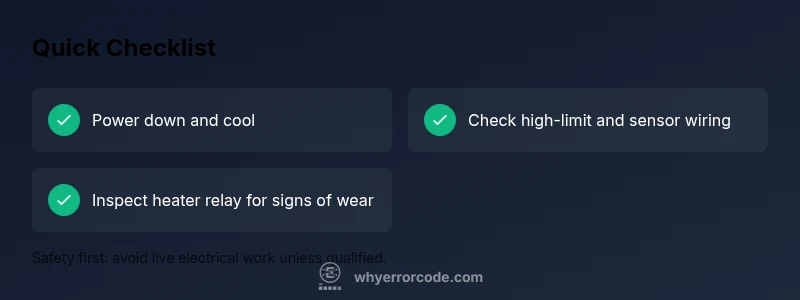
- Power down the tub at the breaker or disconnect the GFCI, then wait 60 seconds before restoring power to allow the control logic to reset.
- Check for obvious hazards: water on electrical components, damaged cords, or exposed wiring. If you see moisture or damaged insulation, do not re-energize until a qualified tech inspects it.
- Inspect the water temperature reading on the control panel when power returns. If readings are wildly different from the actual water temperature or fluctuate, the sensor or wiring may be faulty.
- Verify water flow: a blocked filter or restricted circulation can trigger overheating. Clean or replace the filter and ensure the pump is circulating water properly. Low flow raises the risk of heater trips and sensor misreads.
Safety-first checks you can perform without tools
- Ensure the spa cover is properly vented and not trapping heat against a hazardous temperature rise.
- Look for obvious corrosion or burn marks around the heater housing and control connections—these signs warrant professional inspection.
- Do not bypass safety devices or bypass the high-limit switch. Bypassing safety features can create dangerous conditions and damage the system.
Diagnostic flow in plain language
The hh code typically moves through a simple diagnostic path: symptom → possible causes → fixes. The most likely culprits are a tripped high-limit switch, a faulty temperature sensor, or a failing heater relay. Less common but plausible issues include poor wiring connections, pump cavitation from low water level, or a blocked heater path. A methodical approach focusing on safety devices and sensors usually resolves the majority of cases without professional intervention.
Maintenance mindset to prevent recurrence
Regularly cleaning and replacing the filter, testing the temperature sensor, and inspecting wiring for wear can dramatically reduce hh code occurrences. Keep the water chemistry balanced to minimize corrosion and sensor drift. Establish a basic monthly inspection routine and a quarterly professional check if your tub is older or used heavily. Proactive maintenance helps you avoid costly downtime and extends equipment life.
Steps
Estimated time: 2 hours
- 1
Power down and cool the tub
Switch off the circuit breaker and allow the tub to cool for at least 5–10 minutes. This helps reset safety interlocks without risking burns or electrical shock. After cooling, re-energize and observe if the error persists.
Tip: Take a photo of any error codes and control wiring before powering down for reference. - 2
Inspect high-limit switch and temperature sensor
Carefully inspect visible wiring to the high-limit switch and temperature sensor for signs of wear, corrosion, or loose connections. If you can safely access terminals, reseat connectors and look for damaged insulation. Do not detach components beyond your comfort level.
Tip: Use a flashlight to spot faint signs of heat damage on connectors. - 3
Check water flow and filter cleanliness
A dirty filter or blocked flow can trigger overheating. Remove the filter and clean or replace it if dirty. Ensure the pump is producing steady flow and that there are no kinks in any hoses that could reduce circulation.
Tip: Run the pump in a cycle to confirm steady flow after cleaning. - 4
Assess the heater relay and control board
Visually inspect the heater relay for signs of burning or pitting on the contacts. If you notice any scorch marks or the relay feels warm to the touch, it may need replacement. A controlled resistance check with the appropriate tools can help confirm board health.
Tip: Only perform electrical tests if you are trained and the power is completely disconnected. - 5
Reset and re-test the system
After addressing the suspected causes, power the tub back on and run a short heat cycle. Monitor for another hh code and note any recurring patterns such as after prolonged heat or after a certain duration of run time.
Tip: If the code recurs after a reset, proceed to step 6. - 6
Decide on professional service if persists
If the hh error code reappears after safe resets and basic checks, a licensed technician should diagnose the heater assembly, sensors, and control board. Expect a diagnostic visit with labor in a broad range and potential component replacements.
Tip: Request a clear diagnosis and itemized estimate before any replacement work.
Diagnosis: Hot tub displays 'hh' error code and refuses to heat
Possible Causes
- highOverheat/high-limit switch tripped
- mediumFaulty temperature sensor
- lowHeater relay or control board failure
- lowWater flow restriction from dirty filter or pump issue
Fixes
- easyPower cycle the system by turning power off for 60 seconds and turning it back on
- easyInspect and clean the filter; ensure adequate water flow and check for air locks
- mediumTest or replace the temperature sensor and repair any loose wiring
- hardIsolate and test the heater relay or control board; replace if faulty
Frequently Asked Questions
What does HH mean on a hot tub?
HH generally indicates a heater safety fault or high-limit protection has tripped, halting heating to prevent damage. It points to a sensor, switch, or wiring issue rather than a total heater failure.
HH usually means a heater safety fault or high-limit switch tripped, stopping heating.
Can I reset the code myself?
Yes, a safe power cycle often clears temporary faults. If the code returns after a reset, proceed with further checks or contact a pro.
You can try a safe power reset, but if it returns, get professional help.
Is HH dangerous to ignore?
Ignoring HH can risk overheating and electrical hazards. Do not ignore repeated trips; shut down and assess safety before re-energizing.
Repeated trips can be dangerous; shut down and assess before using again.
What parts fail most often with HH?
Temperature sensor, high-limit switch, heater relay, or control board are common culprits. A multimeter test or professional diagnosis can confirm which component is at fault.
Common culprits are the temperature sensor, high-limit switch, and heater relay.
When should I call a pro for HH?
If resets don’t hold or you notice burning smells, water leakage, or scorch marks, it’s time to call a licensed technician to inspect the heater assembly and electrical safety systems.
Call a pro if resets fail or you see signs of damage or burning.
Watch Video
Top Takeaways
- Identify HH as a heater-related safety fault
- Start with safe resets and simple checks
- Prioritize sensor and safety switch issues before board work
- If problems persist, call a pro to avoid risk and warranty issues
- Regular maintenance reduces recurrence